
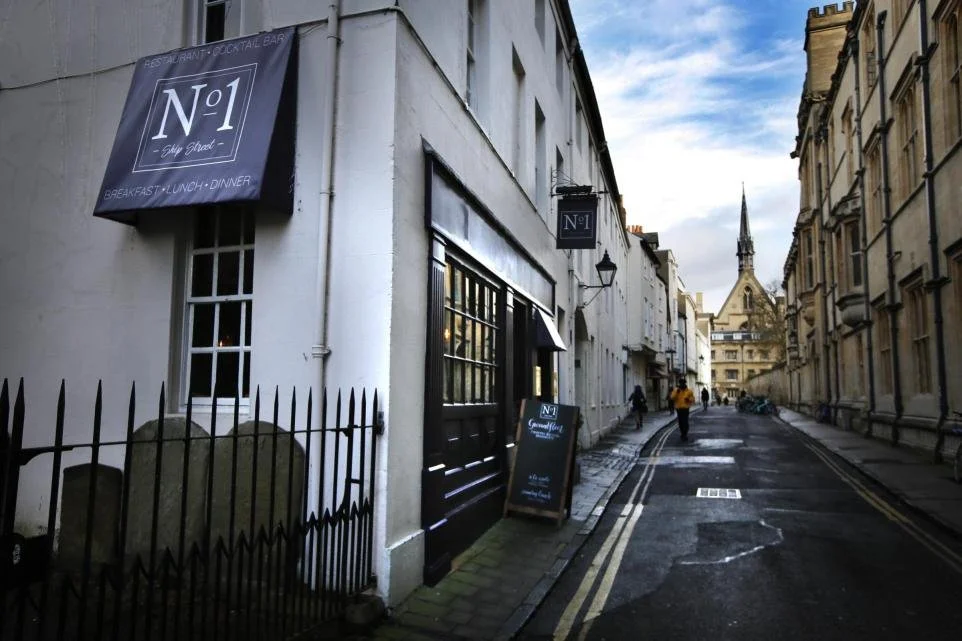
No. 1 Ship Street
Just off Cornmarket Street, No.1 Ship Street sits in one of the oldest parts of Oxford. Today it is an elegant modern British brasserie, but step outside and you are surrounded by traces of a much older city: medieval streets, Saxon stonework, hidden yards, and stories of travellers, taverns, scholars, prisoners, and playwrights.
Ship Street runs east from Cornmarket towards Turl Street, passing beside the church of St Michael at the North Gate. In the Middle Ages, this was just inside Oxford’s city wall, which ran behind the houses on the north side of the street. The name of St Michael’s tells you exactly where you are: beside the old North Gate of the walled town.
St Michael’s is one of Oxford’s great survivors. Its Anglo-Saxon tower, dating from around 1040, is often described as Oxford’s oldest surviving building. For centuries, it stood at the northern entrance to the city, watching over merchants, students, townspeople, and travellers as they passed in and out of Oxford.
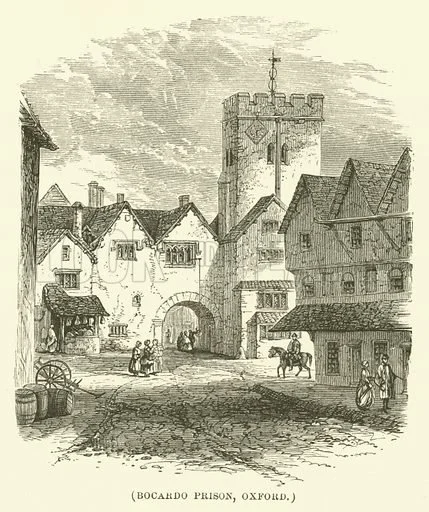
The area also has a darker history. Near St Michael’s stood the Bocardo Prison, where the Oxford Martyrs — Hugh Latimer, Nicholas Ridley, and Thomas Cranmer — were held before being taken outside the city walls and burned in 1555 and 1556. A door traditionally associated with their cell is still displayed in the tower of St Michael’s.
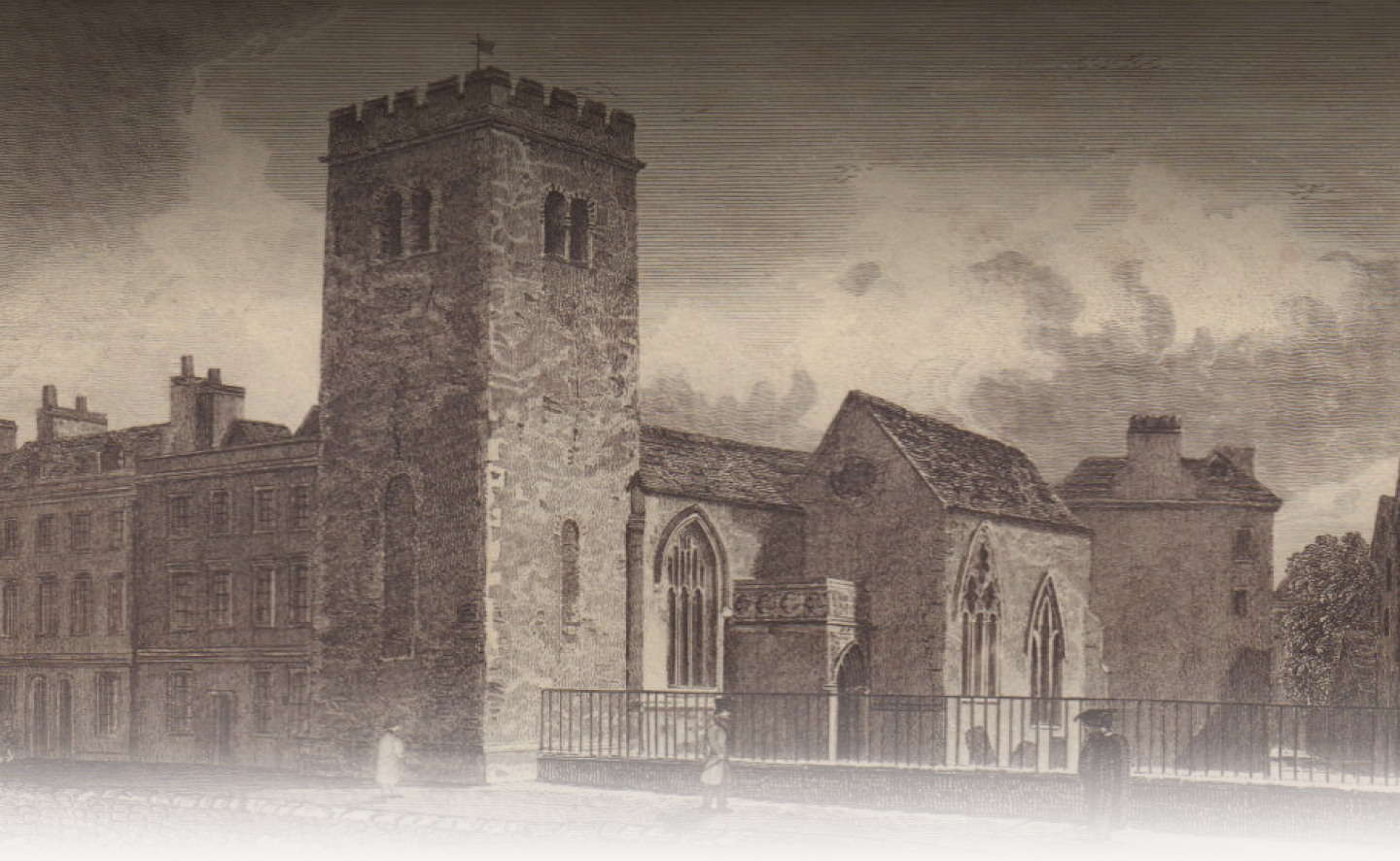
Beside the street stands St Michael at the North Gate, whose Saxon tower has watched over this part of Oxford for nearly a thousand years. Inside the church is the font from old St Martin’s at Carfax, where William Davenant — later a poet, playwright, theatre manager, and Poet Laureate — was baptised in 1606. Davenant was the son of Oxford tavern-keeper John Davenant, and tradition says that William Shakespeare, a friend of the family, stood as his godfather. Whether or not every detail of the story can be proved, it places this small area of Oxford in the wider world of Shakespearean theatre, taverns, travel, and performance.
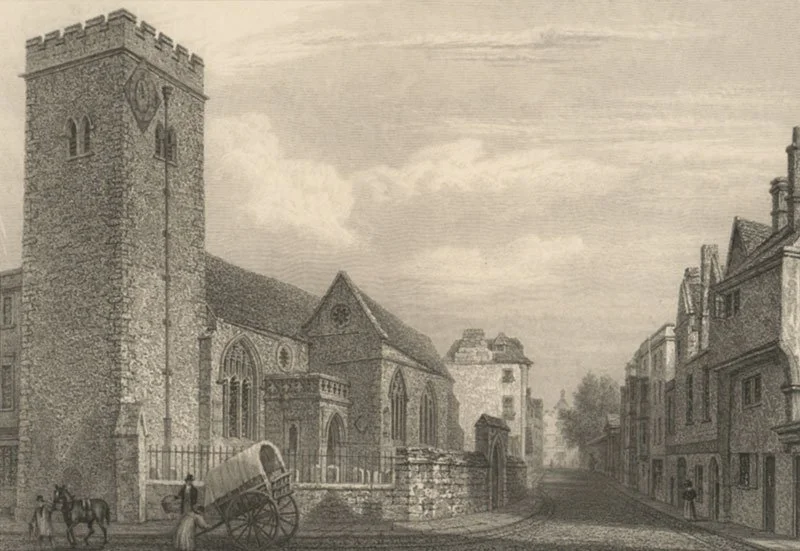
Those stories place Ship Street in the middle of an Oxford that was never only about colleges and cloisters. This was also a city of gates and prisons, inns and taverns, traders and travellers, actors and arguments. Scholars passed through these streets, but so did merchants, pilgrims, soldiers, playwrights, and people looking for food, drink, company, or shelter.
Today, No.1 Ship Street continues that long tradition of hospitality. Its setting may be quieter now, but the surrounding streets still hold the memory of the old walled town. Like so many places in Oxford, it stands beside layers of history that are easy to miss — unless you know where to look.