
The White Rabbit
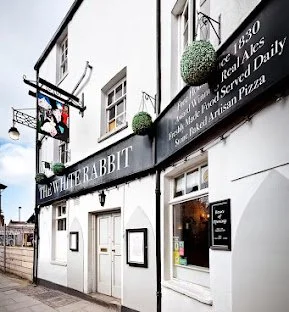
After the friary closed in the sixteenth century, many of its buildings fell into ruin and their stone was carried away or reused. Archaeologists believe that the moulded stone incorporated into the pub wall may be one small survivor from this lost medieval complex.
The building can be traced to 1825, when four tenements and a brewhouse were constructed here. The brewhouse became a pub, the Gloucester Arms, serving generations of market traders, theatre-goers, students, local residents and visitors.
Tucked away down Friars’ Entry, The White Rabbit is easy to miss. Step inside, however, and you enter a pub shaped by nearly two centuries of hospitality, and a site with more than 800 years of Oxford history beneath its feet.
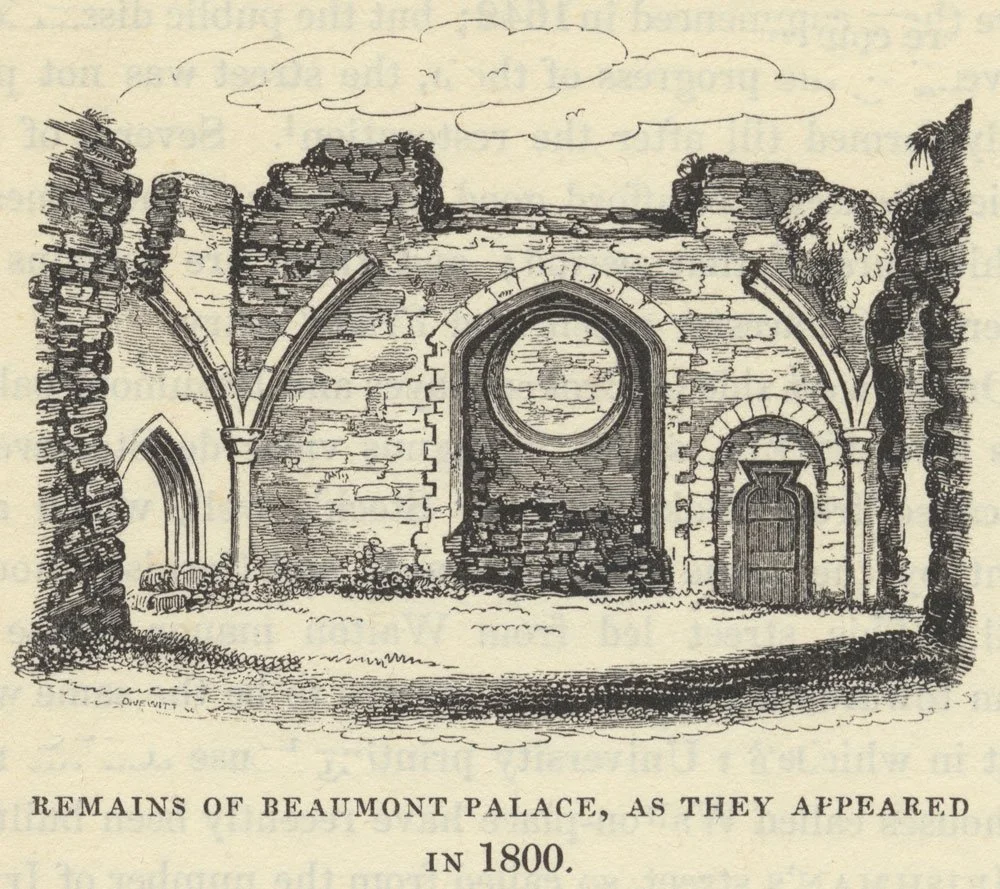
This area was once in the grounds of Beaumont Palace, a royal residence where both Richard the Lionheart and King John were born. Later, Edward III granted the land to an order of monks, the Carmelite Whitefriars. However, the Whitefriars were not entirely happy with their surroundings. They complained of noise and disruption from people visiting “harlots and other women of bad character” in nearby brothels. Friars’ Entry takes its name from the route that once led from their friary towards Oxford’s North Gate.
Its location placed it between two important parts of Oxford life. On one side was Gloucester Green, for many years the city’s cattle market. On the other was the Oxford Playhouse, which opened on Beaumont Street in 1938. The pub soon became closely associated with the theatre. Laurence Olivier, John Gielgud, Richard Burton, and Elizabeth Taylor are all said to have visited while performing next door.
The Gloucester Arms became The White Rabbit in the early 2010s, beginning a new chapter in the building’s history.
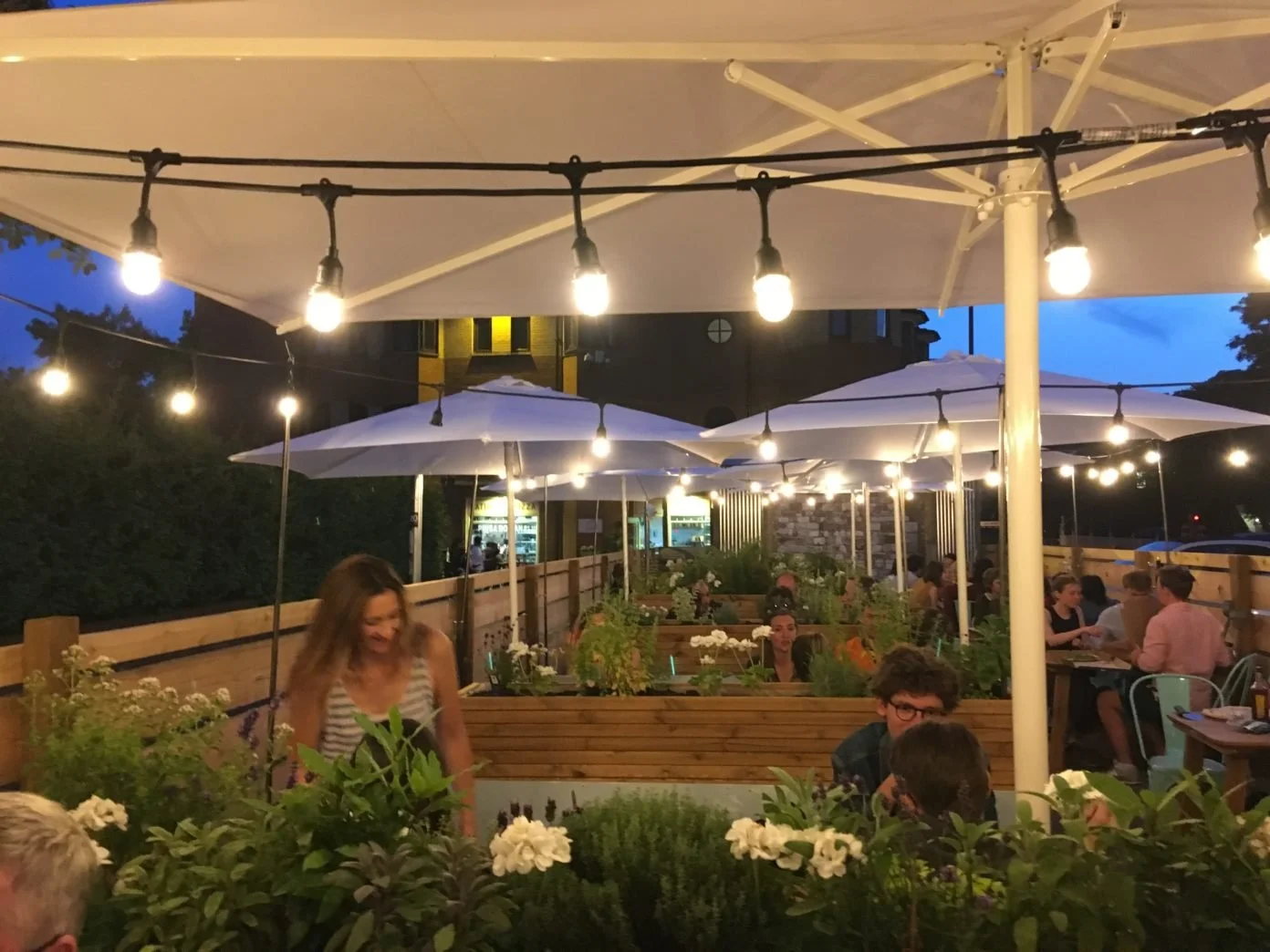
Today it is an award winning independent pub known for their pizza, a changing selection of local cask beers, cosy rooms, and a covered, heated garden.
The kings, monks and harlots may have gone, but The White Rabbit remains part of a story stretching from royal palace to medieval friary, Victorian pub and modern local.